Japanese Word for Someone Beneath You in Martial Arts
Japan has ever been known for its rich history and culture. With an countless number of options to get a full Japan experience, everything in Japan is just really incomparable. The food, activities, tourist spots, language, and discipline, the country is singled-out in many means.
Many tourists come to Japan for different reasons. But if there is one thing that significantly adds to the incredible uniqueness of Nihon, it is their martial arts. Dating mode back to medieval times, the martial arts of Japan have made strong fighters across the country. Now, millions of martial artists beyond the globe aspire to exist merely like a samurai.
Martial Arts of Nihon: The Style of the Samurai
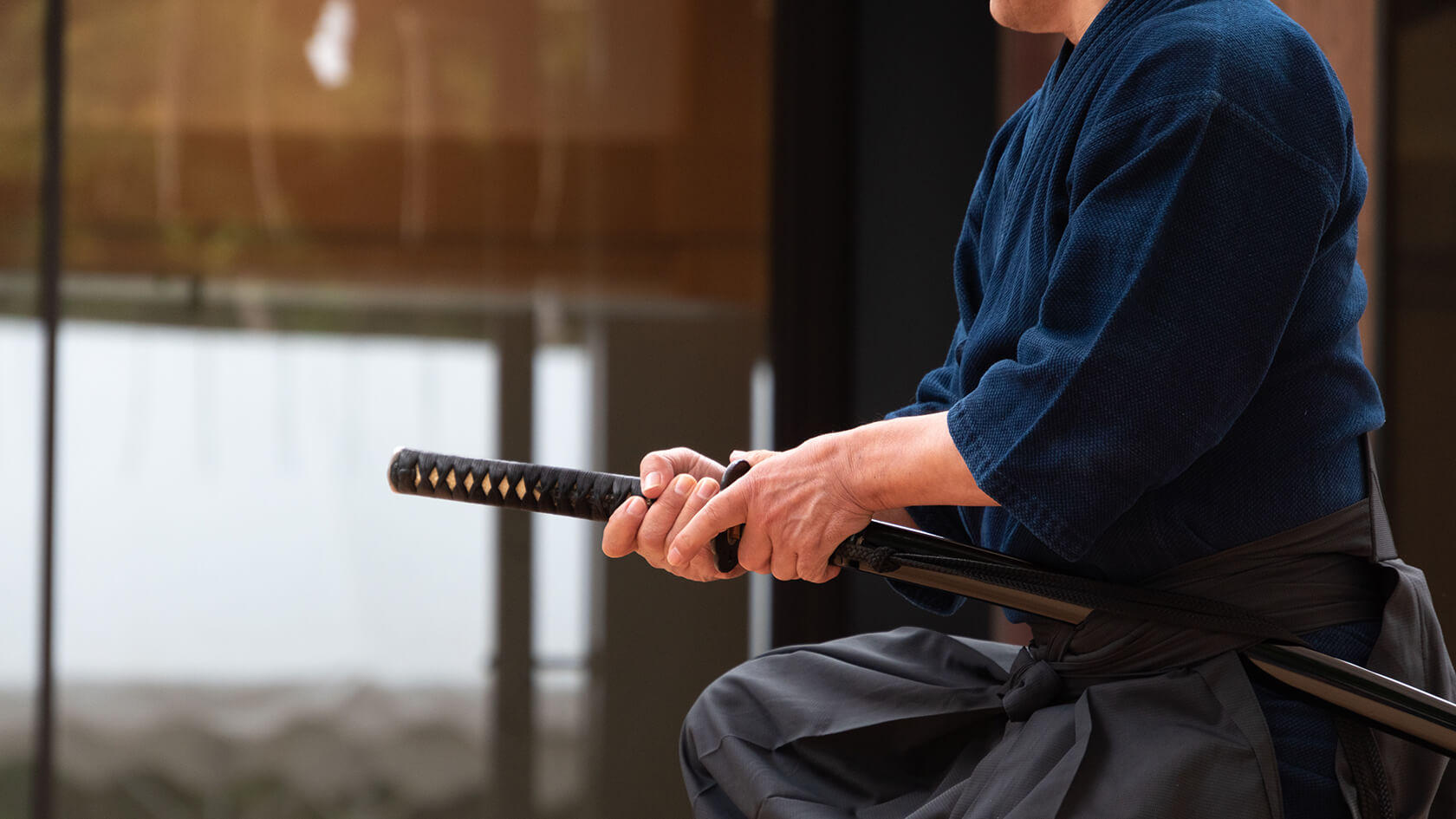
Budō(武道) or Japanese martial arts were born from the need for protection and combat. During the Edo Period(1603-1867), those who belonged in the highest-ranking social class were called the bushi(武士) or samurai. These warriors rigorously practiced combat skills and eventually handed down their philosophies and techniques to the post-obit generations.
In the present time, practitioners no longer utilize the martial arts of Japan for combat. Through time, they take become reliable cocky-defense skills. In mod times, they are skillful for educational values, aiming to embrace spiritual, moral, cultural, and concrete growth. Every martial arts practitioner reflects the ability and force of a samurai.
For martial arts enthusiasts out in that location, learning the martial arts of Japan is a cracking way to learn about the land'due south history and the art in full general. Here are some of the popular mod Japanese martial arts to wake upward your inner samurai:
Karate
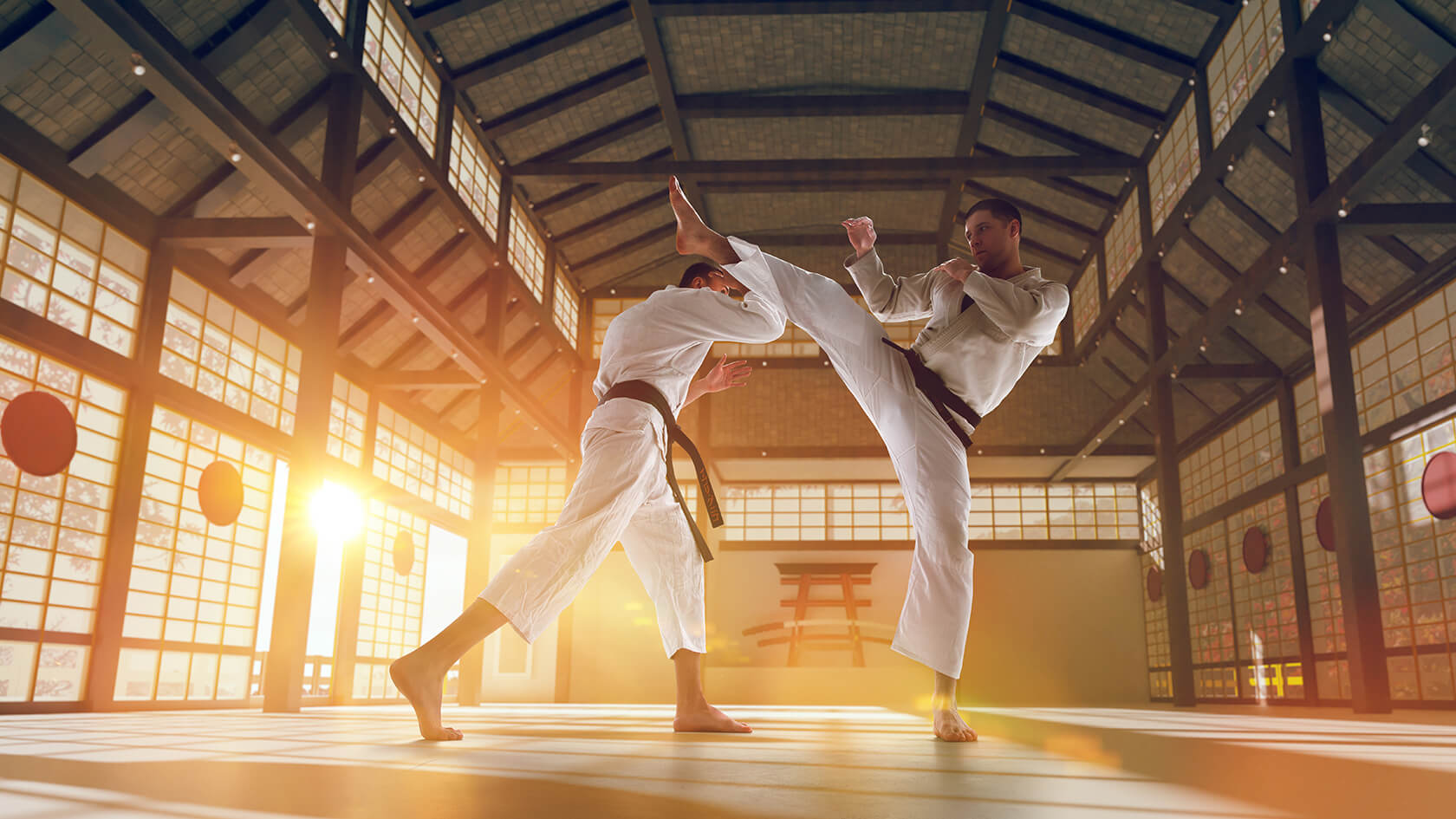
Karate(空手) means "empty hand," perfectly describing the martial art'southward nature: weaponless. Born on the island of Okinawa, karate is probably one of the well-known martial arts worldwide. Information technology emerged in the 14th century on what was known every bit the Ryūkyū Kingdom, where there were trade relations with People's republic of china.
Karate was brought to the Japanese mainland afterward on. Information technology came from indigenous fighting methods, te(手), which ways "paw," and Chinese kenpō. The martial art was renamed from "Chinese hand"(唐手) to "empty manus." The unarmed martial art practices the bailiwick of kick, striking, and defensive blocking, using only arms and legs. Widely influenced past the class of history, modern karate has branched into different styles. Some of these include techniques for grappling, locks, restraints, vital point strikes, and throws.
Karate has besides become a well-known sport worldwide. With effectually 100 million people from 5 continents and 192 countries practicing the martial fine art, information technology truly sets Japan'due south influence apart from other countries. Function of karate's growth is the "Karate chugalug system," which represents the progress of a karate pupil since the early 1900s. The white belt symbolizes the very initial level and blackness for completion of a more than in-depth and consummate understanding of karate.
Karate, across the physical power and the self-defence skill sets, is deeply philosophical. Practitioners instill self-field of study past identifying and honing their strengths. The martial fine art'south growth makes Okinawan karate fifty-fifty more meaningful to practitioners, leading them to visit Okinawa to learn the roots of the martial fine art.
Aikido
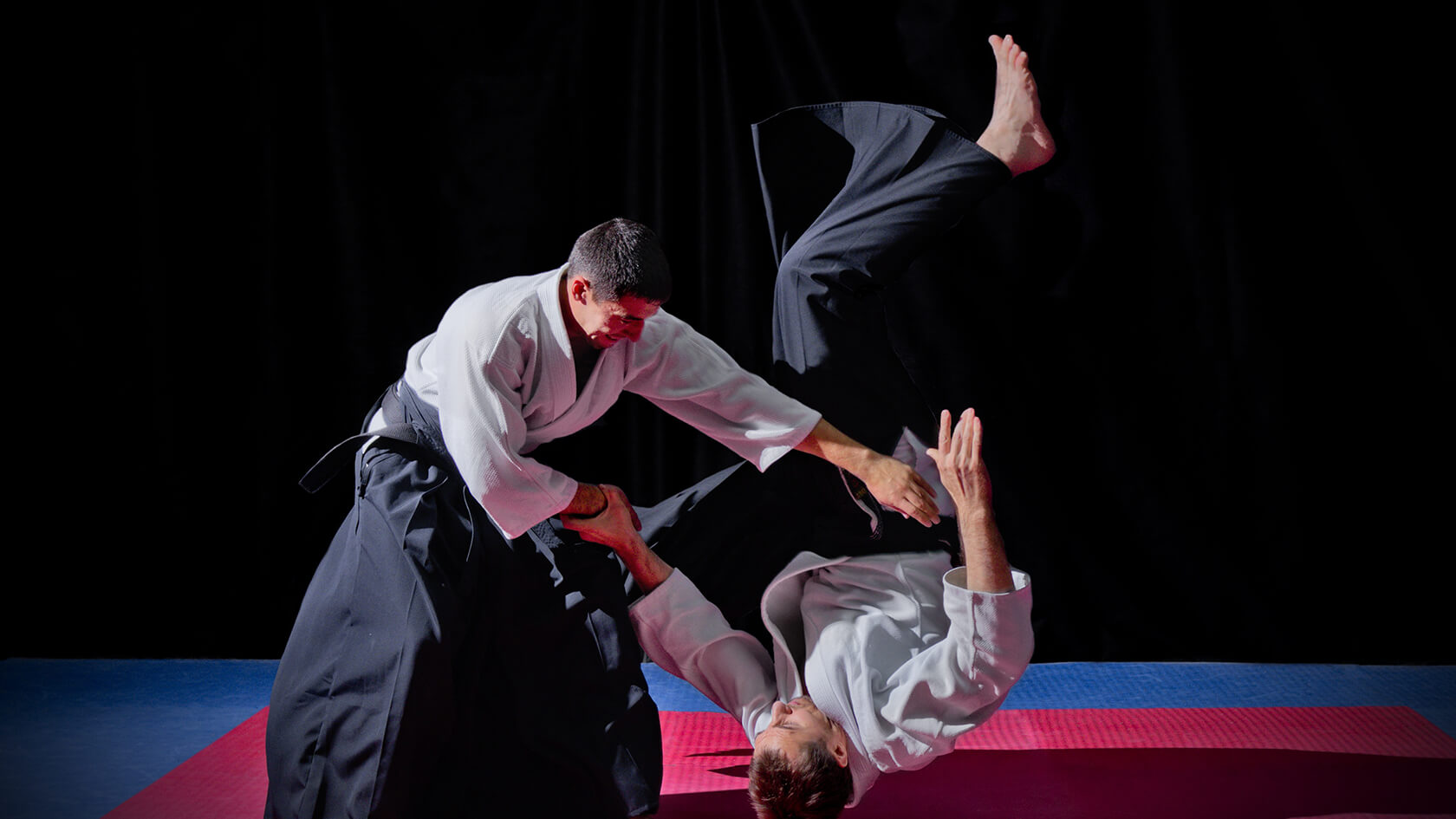
Aikido(合気道) is a spiritual martial art itself. From the 3 characters ai(合), meaning "union or harmony," ki(気) meaning "universal free energy or spirit," and exercise(道), meaning "way," the martial art is known every bit "becoming one with the opponent." Founded by Morihei Ueshiba in the late 1920s, aikido is an influence by older Japanese martial arts.
Morihei Ueshiba mastered several styles of jujitsu, fencing, and spear fighting, and eventually hoped to find a more profound significance to life. Along with his impressive physical capabilities, he combined martial training with religious and political ideologies, developing the modern martial art of aikido. The martial art involves techniques that protect opponents or attackers from getting injured.
The goal is to blend with the motion of the opponent and redirecting the force of their attack. It is using the opponent'southward strength against them. Aikido involves harmless holds and throws, allowing practitioners to defend themselves without hurting the assailant. The techniques make this martial art remarkably peaceful and truthful to its meaning "the style to union with universal energy."
Aikido is seen as a "new culture of humanity" in the 21st century as it influences millions of martial artists worldwide. Aikido belts are also a modern invention. Initially, at that place were only two colors that were in utilize: white and blackness. Eventually, additional colors made to represent the different ranks. Currently, in that location are diverse ranking systems worldwide.
Kendo
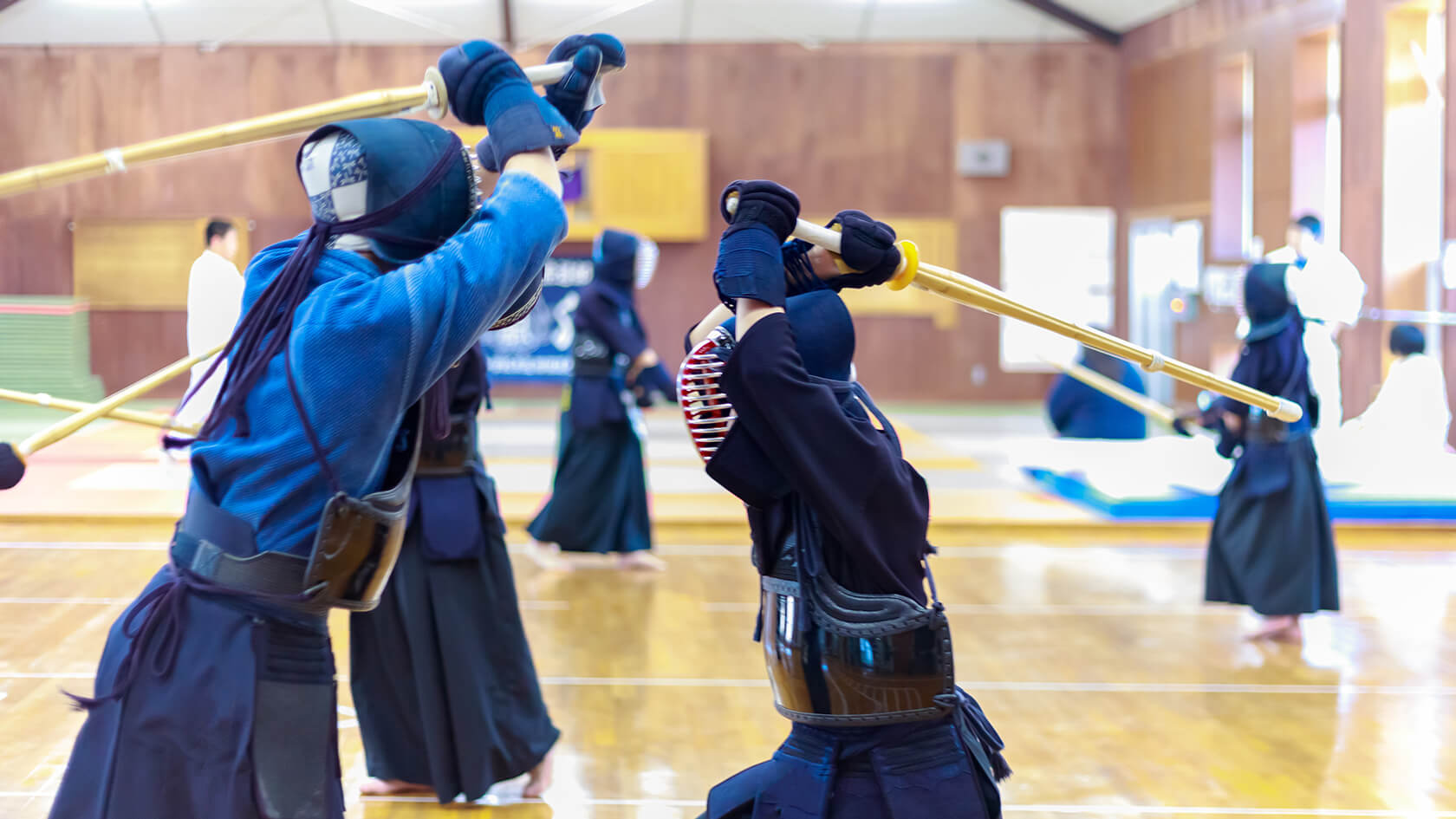
Based on Japanese techniques on swordsmanship, kendo(剣道) is the "Manner of the Sword." It is the traditional Japanese fencing that uses bamboo swords and protective armor. Heavily related to the methods of Samurai warfare, kendo dates back to the 13th century. It had been banned later on Earth War Ii for several years but was resurrected as an educational sport later on.
Kendo is one of the most common martial arts offered at public schools in Japan. It involves full-on thrusts, strikes, and responses to attacks with the bamboo sword. Equally a total-contact sport, kendo coordinates the physical, mental, and emotional dimensions.
Without belts or outward marks of rank, kendo practitioners are ranked through a grading system. The highest grade, eighth Dan, is notorious for being hard to pass. The Dan exams are held twice a year in Nippon, and unremarkably, less than one% of takers laissez passer. This makes kendo a lifelong art.
At that place are over 1 million people in Nihon who have caused some level of Kendo grooming and more than than 6 million worldwide. Practitioners habiliment a black uniform, and techniques involve showing martial spirit through yelling. Kendo is exceptional for its cultural significance, achieving the unity of trunk and mind.
Kyudo
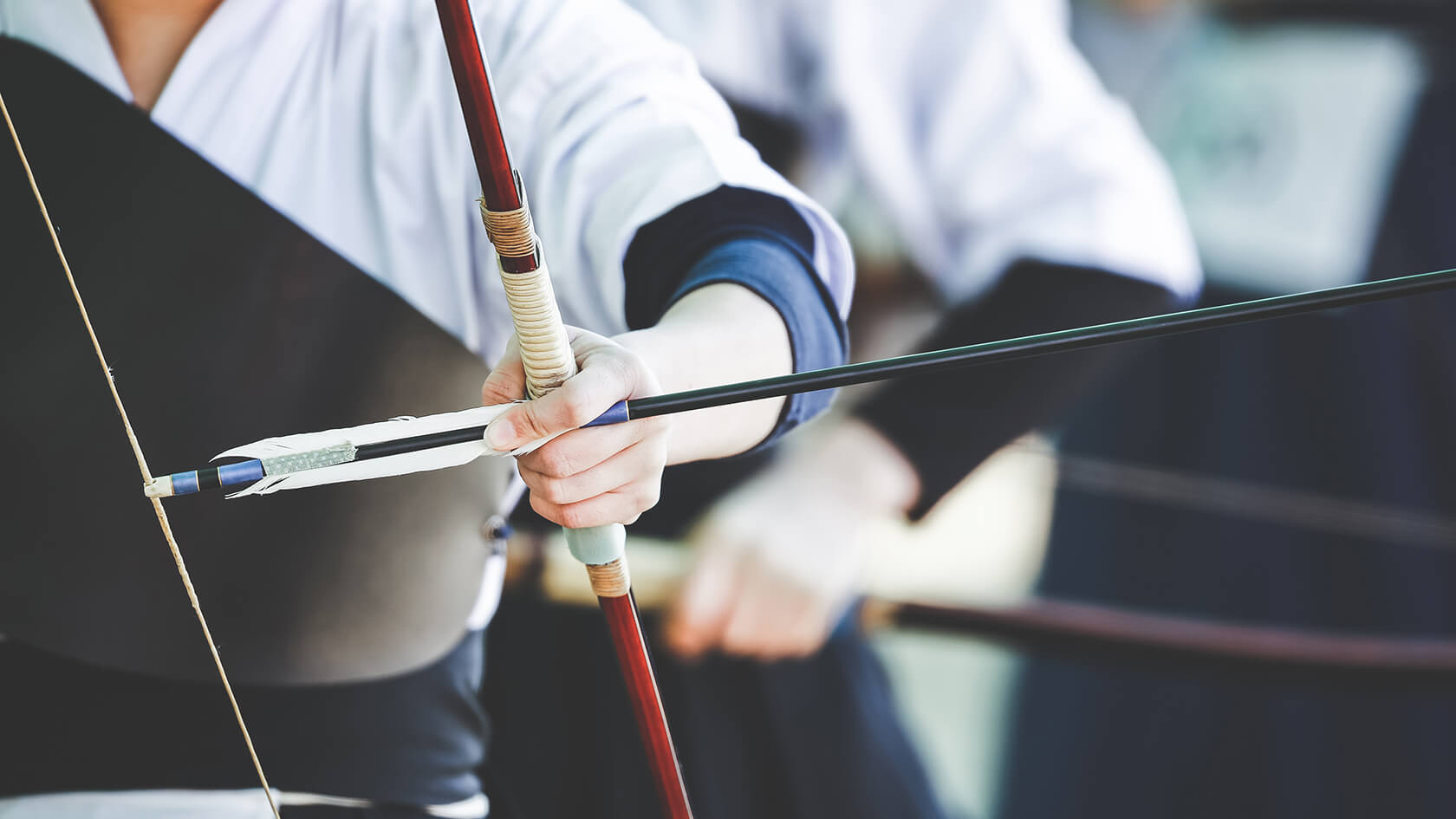
Kyudo(弓道), the "Manner of the Bow," is the Japanese style of archery. It has its ain philosophy, equipment, customs, and techniques. Kyudo is shooting arrows with asymmetrical, longbows. As information technology requires maturity and power, the martial art is not taught until the age of 15 in Japan.
The ancient Shinto tradition has ritualized the apply of bows and arrows for over 2,000 years. It is believed to be where the roots of kyudo lie. For a samurai, archery was considered the about of import skill, surpassing swordsmanship. Unlike other martial arts of Japan, at that place is no opponent to tackle in kyudo. Notwithstanding, there is a pocket-size target that ordinarily measures 36 centimeters in diameter, placed 28 meters abroad from the shooting range.
Whatever beginner in kyudo would remember that striking the target is the goal. It is essential, but an archer's attitude and nobility are more important. Achieving the mushin(無心) mental land is the ultimate goal, where the practitioner clears their mind and is in the form of "meditation through activity." With the eighth Dan every bit the highest grade, kyudo is also a lifelong do.
Practitioners of this martial art are expected to aim for perfection in technique, to accept the highest level of refinement and embodiment of the skill. If possible, the truth of kyudo shall be transparent to whoever bears the bow. This quiet art may look like shooting fish in a barrel, merely it is difficult to principal. The same in kendo, the success rate of the 8th Dan exams is less than 1%.
Becoming i with the bow and non controlling the arrow makes kyudo's principles as "truth, goodness, and beauty." A practitioner shoots with a pure mind, goodness in character, and dazzler in gracefulness. The International Kyudo Federation has 28 member nations, and the martial art is continuously beingness introduced to the residual of the world.
Sumo
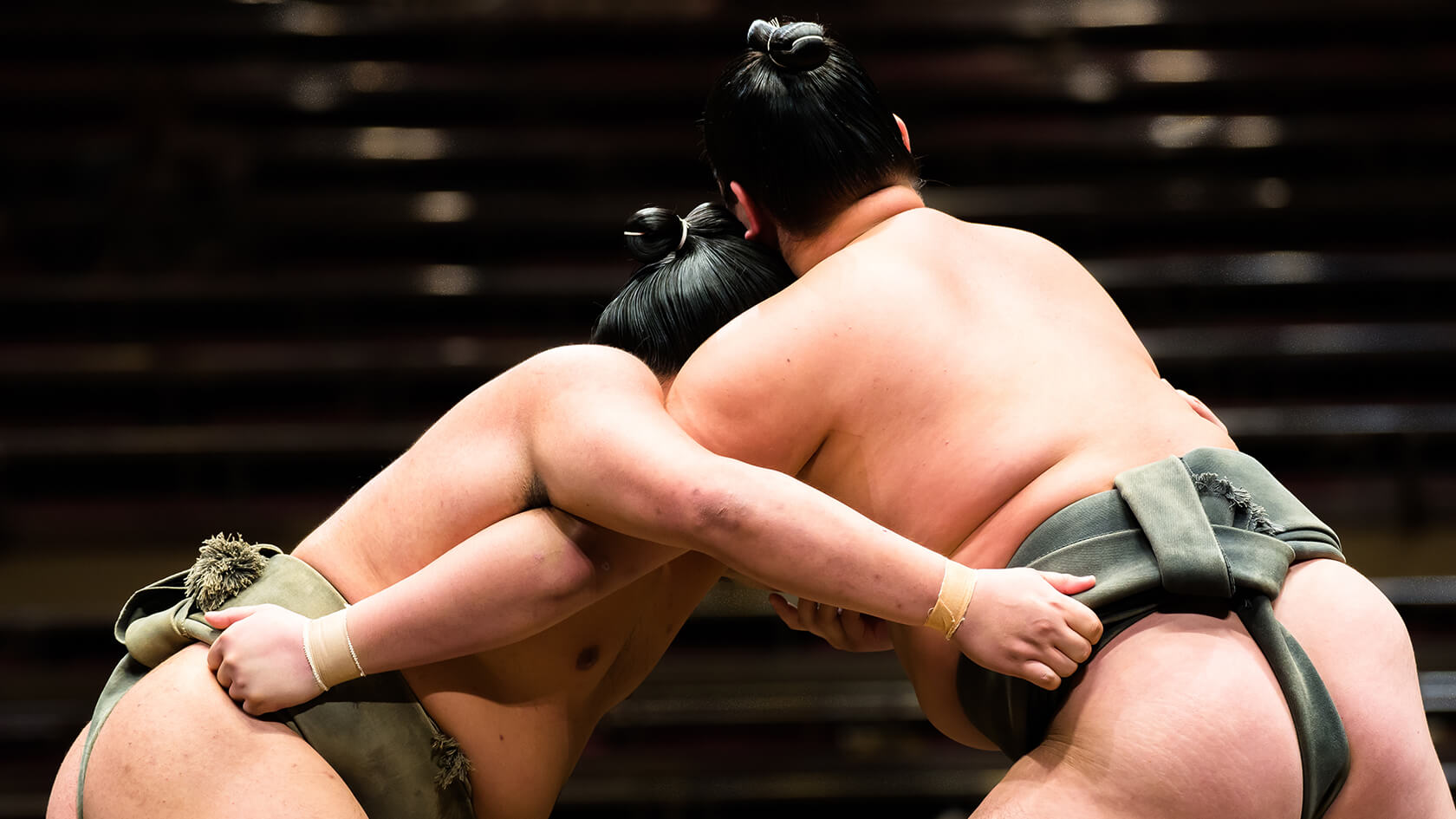
Learning well-nigh Japanese martial arts will not exist consummate without learning about sumo(相撲). The country's national sport is a Japanese style of wrestling. It originated in Shinto religious rituals, which include human being wrestling with a Shinto divine spirit. Equally a martial fine art, the rules for sumo are simple. The wrestler who kickoff touches the ground with any office of his body bated from his feet loses — the same goes for whoever gets thrown out of the ring first.
To those unfamiliar with the history of sumo, a wrestling friction match may seem like some other form of entertainment. But there is nix piece of cake in this martial art, as it is not just almost throwing the opponent off the ring. It is a full-contact wrestling sport, and professional sumo wrestlers have to alive a traditional lifestyle. They train together at sumo stables where they larn techniques from each other. In the stables, wrestlers of unlike ranks live and deepen their agreement of the martial fine art under ane roof.
Sumo wrestlers perform ceremonies when entering the ring. One is purifying the ring with common salt, and these rituals often resemble a dance. Concerning the purity of the ring, women entering a sumo ring is considered a violation. All the same, in that location is a tradition of women in sumo in Japan.
The Yokozuna is the highest rank in sumo, and they are legendary sumo wrestlers. The Yokozuna are those who have reached the highest excellence in power, skill, and nobility. Since 1630, still not more than 100 wrestlers have been granted this rank. More often than not, all sumo wrestlers are required to wear and live tradition. They train to represent strength and grace.
Determination
The martial arts of Japan continuously abound and achieve dissimilar parts of the world. Tracing the country'south history, the samurai have gracefully represented strength and power. Although the existing techniques in the martial arts originated from martial skills, they have eventually become the nuts of cocky-defense, armed with philosophy and subject field.
The samurai aimed to reach a spiritual mastery, and practitioners still contain this in the martial arts of Nippon. Artists and students are trained to take a deeper understanding of their martial art, putting strength and dignity above the mastery of techniques.
Karate, aikido, kendo, kyudo, and sumo are just a few of the martial arts of Japan. All of them teach the philosophy that budō is not nigh overcoming an opponent, but overcoming yourself. The more yous know almost budō, the more you know the fashion of the samurai!
Motto Japan, the customs platform to support foreigners with the foundation for life in Japan, including Japanese written report, job opportunities, and housing service. Motto Japan Media will provide a wide diversity of information for Japanese fans all over the world, to create a cross-cultural environment and enrich the life of foreign residents in Japan!
Source: https://motto-jp.com/media/lifestyle/the-martial-arts-of-japan/

Post a Comment for "Japanese Word for Someone Beneath You in Martial Arts"